

Fae Creatures

Classification: Sentient Otherworldly Entity
Type: Hostile Territorial Presence
Origin: Pre-Christian European folklore (Celtic, Germanic, Norse), with persistent global analogues indigenous traditions (8th century BCE–present)
Status: Actively hostile to human settlement

Fae creatures are enigmatic beings that appear worldwide in folklore. The term “fae” is not universal, but the description of these creatures spans every culture in the world with striking similarities. Fae creatures can best be described as supernatural entities who have a physical form tied to our physical world, as well as a spiritual presence with a link to an “otherworld",” an adjacent fae-realm.
Fae are distinct from human spirits which can create ghosts, and from infernal and celestial entities. They are profoundly amoral by human ethical standards, with no regard for human life or suffering. The same fae creature might bestow boons on a person, like herbal wisdom or fertility, and unleash curses, abductions, or madness the next moment without remorse or rationale. Fae have strict sense of courtesy and rules of behavior, which to most humans can be labyrinthian and nonsensical. Fae have been reported in many folklore traditions as having enacted murderous retaliation over the smallest slight of fae courtesy.
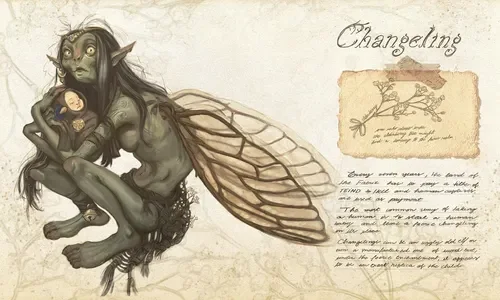
Known by many names—fair folk, faeries, or simply the Fae—these beings first took shape in the spiritual traditions of pre-Christian cultures, especially among the Celts and Germanic tribes. The word “fae” itself comes from an old Latin root meaning “fate,” hinting that these creatures were once seen as shapers of human destiny. In early languages, “faerie” did not describe tiny winged sprites but an entire hidden world, a parallel reality just beyond everyday sight. In pre-historical cultures across the globe, people have left offerings at stone circles or sacred springs, hoping to stay on good terms with unseen neighbors.
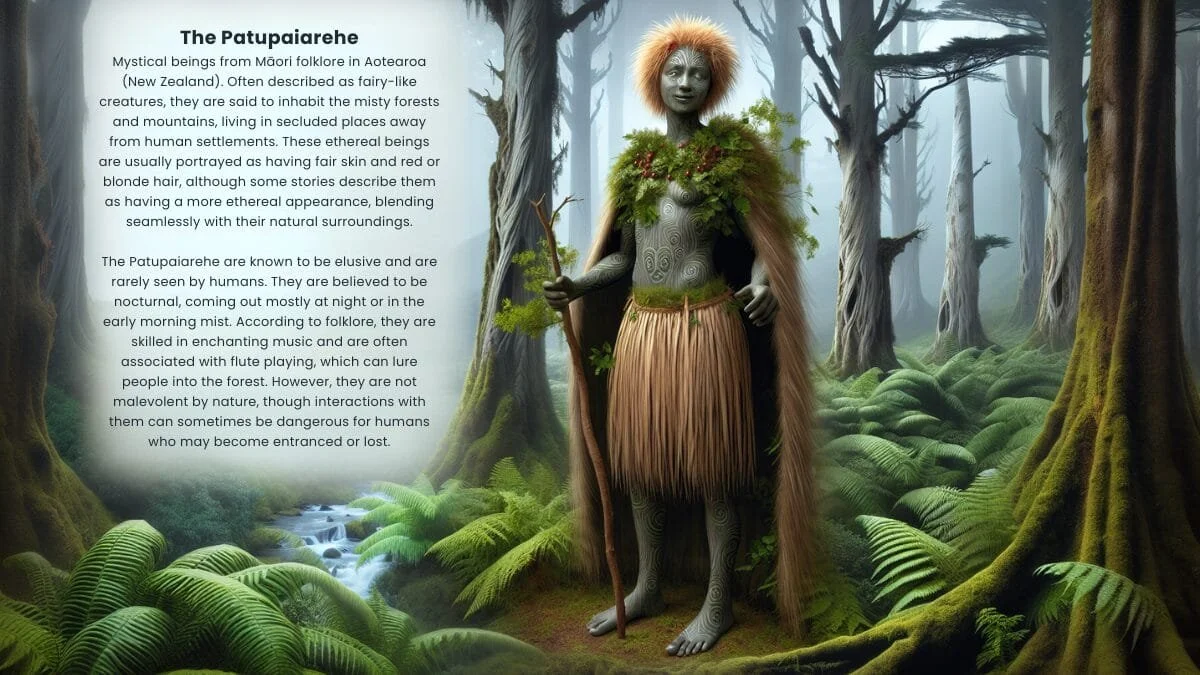
Echoes of the Fae appear in cultures far beyond Europe. Norse myths speak of light-elves who live in bright realms and dark-elves who forge wonders underground. Greek stories tell of nymphs tied to rivers and trees, quick to help or harm visitors and travelers on a whim. Japanese folklore is rich with kami and yōkai—spirits of mountain, forest, and hearth—who reward respect and punish arrogance. In the Middle East, jinn made of smokeless flame grant wishes or wreak havoc. Māori tales describe the pale, red-haired Patupaiarehe who play flutes at dusk, while many Native American nations remember small, clever people who guard hidden places and teach medicine to the worthy. These parallels suggest that humans everywhere have sensed intelligent forces woven into the landscape itself.
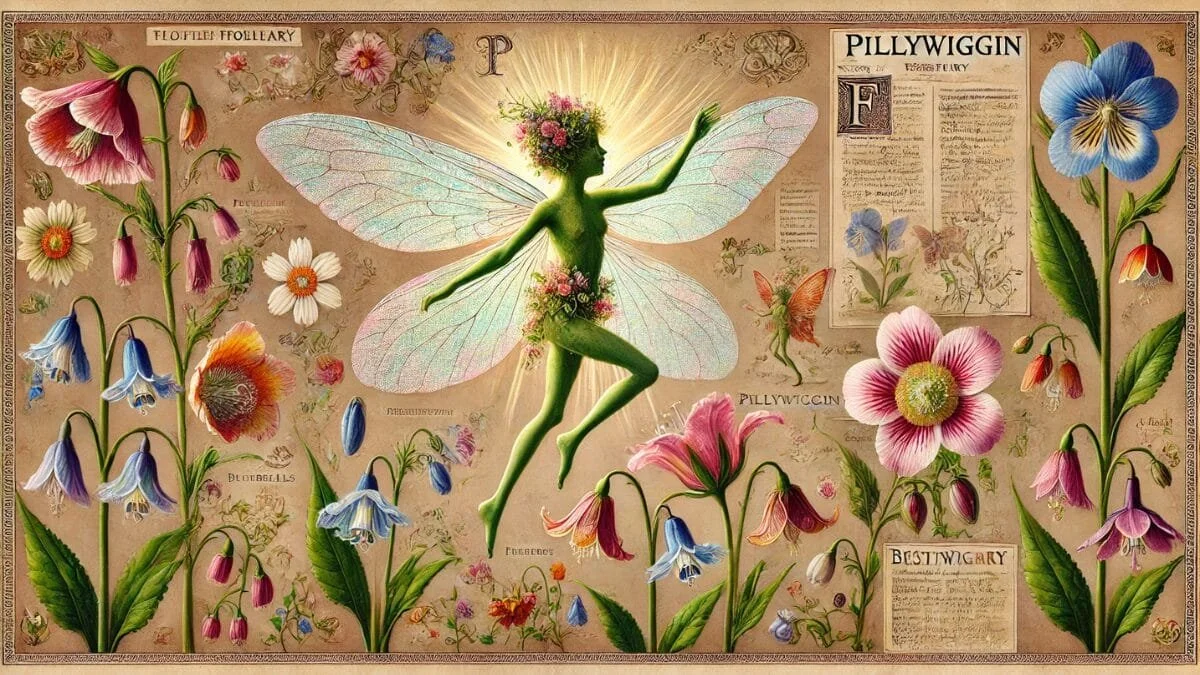
Contact between humans and the fae have strict, unspoken laws, and the fae enforce their laws mercilessly.
All contact with Fae is perilous and should be undertaken with extreme caution.
If you tell your true name to the fae, they can control you and enslave you.
If you eat fairy food, you will “forget the sun.” Tales abound of humans aging decades in an evening by being pulled into the fae realm.
Say “thank you” and the fae believe they did you a favor - an you now owe a debt to them.
Cold iron can harm or kill fae; the sound of brass can end an illusion.
A promise freely given binds tighter than steel.
The Fae cannot lie, but every word is a trap.
Procedure
Observation
Arrive 120 minutes prior to liminal window (dusk, dawn, cross-quarter, solstice).
Deploy motion-triggered full spectrum cameras, full-spectrum audio
Place iron filings along trods, rings, or lone thorns.
Zero interaction: no speech, no offerings, no eye contact with entities.
Mitigation
All windows and doors of buildings to be closed and locked - open doors / windows represent an “invitation” to enter.
Window blinds to be in place and closed - to prevent “invitation.”
Iron embedded at thresholds - doorways, windows, chimney opening.
Brass bells/ brass wind chimes mounted at external doorways.
Embed brass bells on iron stakes at 5 m intervals along property boundary.
Precautions
Operate in team of four- each team member will carry iron weapon and brass bells; one brass operator, one drone monitor, one evac coordinator, and team leader.
No names spoken - within team or in response to entities
No permutation of “Thank you,” to be spoken at from start of operation until return to safe area and cleansing is complete.
No food or drink allowed in area.
Monitor for compulsion, missing time, or sudden silence.
All windows, doors, and chimneys in operation zone must remain locked and curtained ; any open aperture is treated as deliberate invitation to hostile entities.
Containment/Removal:
Completely encircle objective area & suspected fae habitation in iron stake with brass bell at 5 m interval.
Brass barrage (handbells + recorded 432 Hz tone) while advancing into objective area
Iron-salt line 4 inches deep across observed fae habitation, rings, ect
Iron stake embeded in observed fae habitation, rings, ect
Iron nails embedded in grid formation every 3 m across objective area
Banishment in hostile encounters
Sound brass at 85 dB until visual distortions collapse.
Deploy cold-iron filings in heptagon around intrusion point.
Evacuate all personnel; seal structure externally with iron nails and brass chimes at every entry.
Post permanent brass wind chimes and iron stakes at 2 m intervals around property line; re-sound protocol weekly for 49 days.
Precautions Never re-enter a compromised structure without full brass-iron protocol. Burn all clothing and gear exposed inside the zone. Salt every external threshold nightly; replace brass bells monthly. Any personnel experiencing “invitation dreams” are quarantined 90 days and barred from future ops.
Statistical Data Annual Global Reports: 217,000 hostile encroachments (WHO Otherworldly Threat Index). Legal Claims: 14,800 forced relocations citing fae title.
Codex Directive: Zero entreaty; containment by repulsion only