Nature Spirits
Classification: Non-Human Spiritual Entity
Type: Place-Bound Phenomenon
Origin: Global animistic traditions, traceable to Paleolithic eras (40,000–100,000 years ago), with parallels in every inhabited continent
Status: Persistent reports from remote wilderness, sacred sites, and areas of environmental disturbance

Nature spirits are non-human spiritual entities native to the physical world. These entities are location bound to natural landmarks, with human cultures associating them as of the guardian spirits of the area where contact occurs - a forest, river, or specific geological structure. Known across cultures by many names - dryads, nymphs, kami, or elementals - these entities have persisted in human records. They are distinct and separate from fae. Nature spirits are native spiritual inhabitants of the world, while fae are an invasive spiritual entity with the ability to travel to our world. They vary widely in form, temperament, and awareness, ranging from simple presences to intelligent entities.
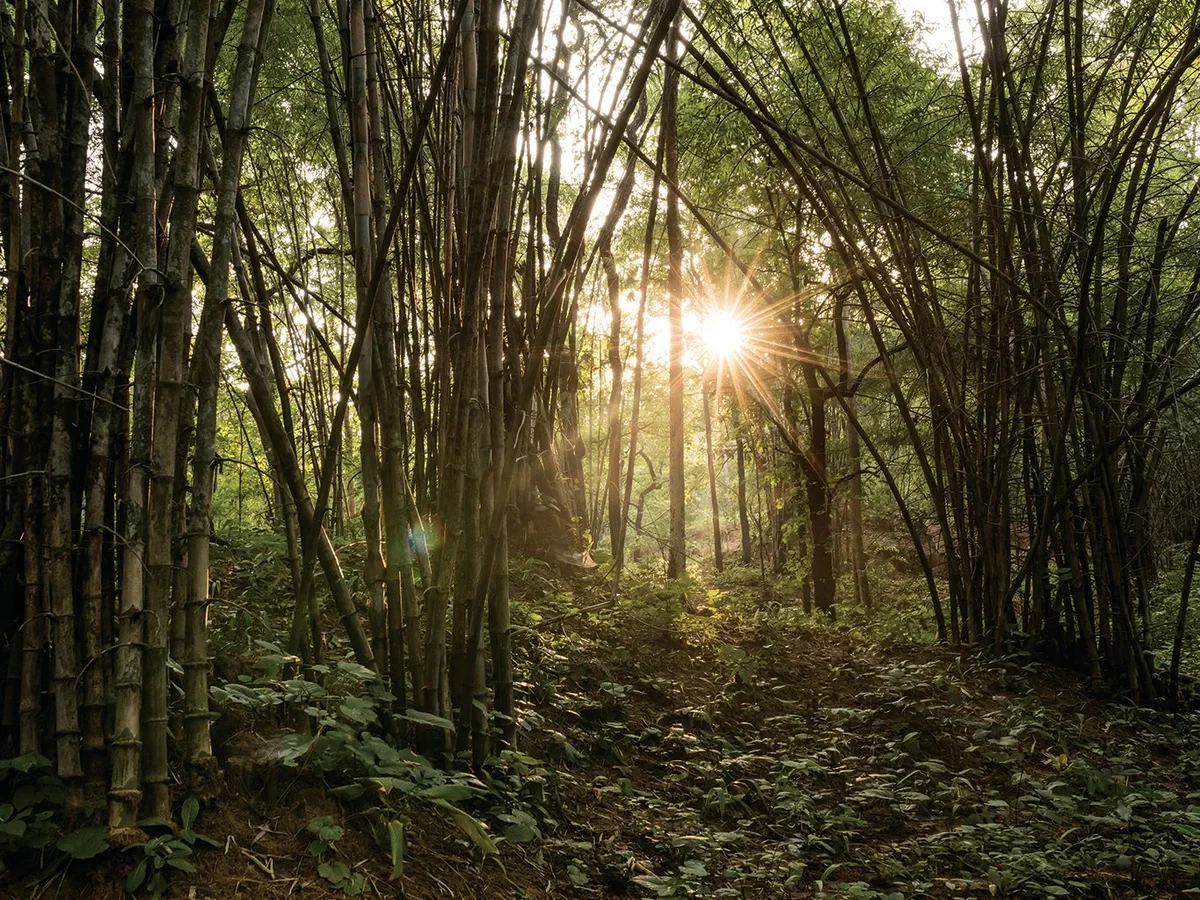
Encounters most frequently occur in undeveloped wilderness - old-growth forests, isolated mountains, or sacred groves - where phenomena such as luminous orbs, disembodied voices, or unexplained sounds manifest. Additionally, historical folklore records and modern paranormal investigation accounts of encounters with nature spirits in human-altered landscapes - farmlands, managed woodlands, or river systems, suggesting adaptability to development or lingering attachment to the area where the entity is bound. One theory is that like biological life, nature spirits will fill gaps in an ecosystem. If an old growth forest is harvested for timber, the old-growth spirits may leave or cease existing, but the gap in the spiritual ecosystem can be filled by other spirits that can thrive in the new environment, with a different temperament than the previous inhabitants.
Global folklore consistently warns that disrespect toward nature spirits invites misfortune - failed crops, droughts, or unnatural hardships. But modern life has eliminated the majority of the daily threats of nature experienced prior to industrialization, negating most of the threats of nature spirits.
Cohabitation is capable, with many cultures having a basis for communication and respect for nature spirits, with folklore supporting that respect is returned from nature spirits to humans in some cases.
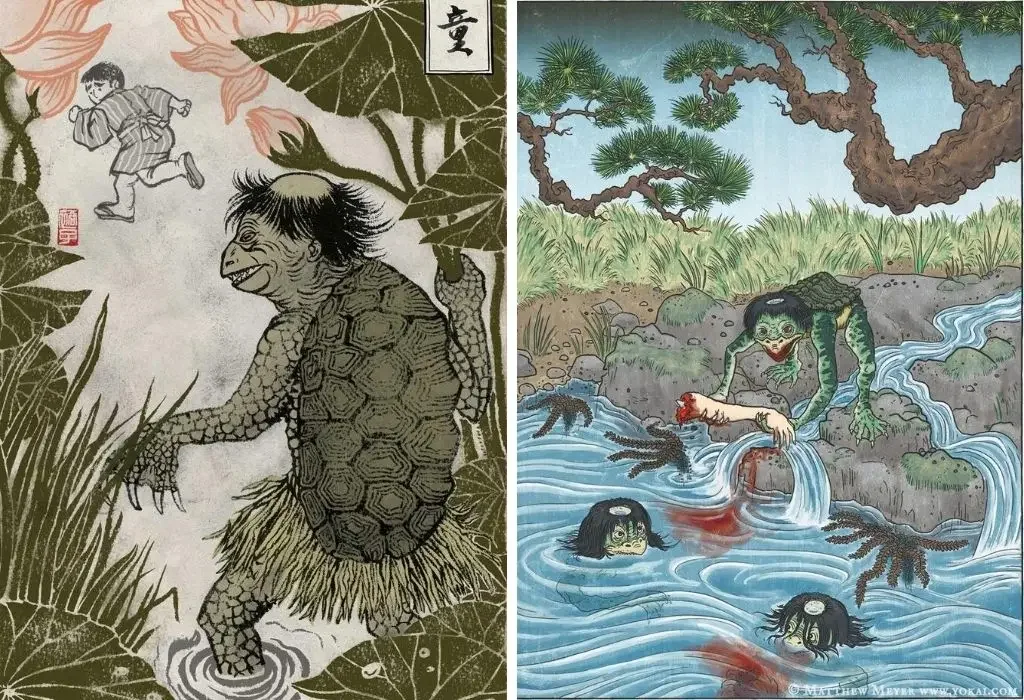
Threat Level Nature spirits are not inherently malevolent. Their diversity mirrors the natural world itself. Most respond according to treatment - benevolent when not interfered with, territorial when provoked. Certain subtypes, however, exhibit predatory or deliberately malicious behavior toward humans. Direct physical harm is rare. Influence typically manifests as disorientation, psychological distress, or orchestrated (greater than statistically expected) mishaps with natural forces.
A good rule when dealing with nature spirits is the same as when dealing with nature in general: it can be unpredictable. Like animals they will (mostly) avoid direct contact with humans, but can change demeanor if provoked, feel threatened, or if their behavior has been drastically altered by drastic changes in environment.
Procedure
Observation
Conduct reconnaissance in operational areas for indicators of entity presence: anomalous auditory signals, irregular visual anomalies, or (subjective) heightened observer anxiety.
Correlate findings with human activities such as construction, resource extraction, or environmental contamination to identify potential activation points.
Deploy portable continuous recording full-spectrum video/ audio.
Minimize environmental impact during operation: no debris deposition, no unnecessary vegetation disturbance.
Mitigation
Non-hostile entities presenting no threat are to be disregarded and treated as non-factors in mitigation procedures.
Encourage coexistence between property owners through enforcement of environmental controls: prohibit unauthorized destruction or contamination. Implement sustainable operational practices and restricted access zones to neutralize potential interference.
In cases requiring terrain modification for development (infrastructure development, agricultural operations, or resource utilization), execute phased alterations supported by compensatory measures: deployment of native vegetation restoration, establishment of exclusion buffers, and fortified perimeter zones to suppress entity activity.
Precautions
Operate in teams with redundant documentation.
Avoid provocation; monitor for induced disorientation or anxiety.
Take precautions based on environmental area extremes (weather, animals, terrain)
Physical risk remains low.
Banishment in Hostile Encounters:
Deploy iron barriers around perimeter. Barrier iron can be part of/ included in structures on deployment area
Removal of native vegetation/ wildlife
Natural water sources in area should be developed or redirected out of area
Codex Directive: Engagement should prioritize respect and harmony. Hostile encounters should be purged from area to prevent risk to life and property.
Codex Warning: Physical threat minimal. Territorial responses may escalate with continued encroachment. Restoration and respect resolve most disturbances.
Statistical Data
Worldwide Beliefs: Animistic traditions acknowledging nature spirits remain active among indigenous populations on every continent; contemporary surveys indicate 20–40% of global respondents report nature-linked spiritual experiences.
Annual Reports: Thousands logged in paranormal archives, increasing alongside eco-spiritual movements and wilderness investigations.
Regional Prevalence: Highest in intact indigenous territories (Amazon Basin, Siberian taiga, African sacred sites); folklore compilations suggest 60–80% benevolent when properly regarded.
References [1] Paracelsus. (1566). A Book on Nymphs, Sylphs, Pygmies, and Salamanders, and on the Other Spirits. [2] Frazer, J.G. (1890). The Golden Bough. [3] Eliade, M. (1959). Shamanism: Archaic Techniques of Ecstasy. [4] Various Indigenous Ethnographies and Folklore Compilations. [5] Contemporary Paranormal Databases (EVP Recordings, Field Reports, 21st Century).