Tools of Our Trade
Some threats require very specific materials to disperse, or to protect from their influence.
Paranormal creatures are, by definition, beyond classification. We as people need physical properties to classify a phenomenon. How we are able to differentiate between a dog and a cow is by comparing the physical characteristics innate to them. The same for the difference between a flower and a tree. But when we get into the realm of the supernatural, classification gets difficult. Modern science has, for the most part, been unwilling to take the scientific classification system into the paranormal. What we know comes from folklore, myths, firsthand accounts from individuals, and religious practice.
While this gives us a wealth of information to work with, a first hand account often does not give a clear picture of what type of entity is being encountered. Banging doors, flickering lights, and eerie sounds could be a ghostly haunting, a fae creature, or a demonic presence. Each type of supernatural entities are warded against or dispelled very differently, and can have vastly different abilities and level of danger to the investigator.
Making this more difficult is the wide brush that some religions use to paint any supernatural event. As our team has said on more than one occasion, many Christian circles call every event demonic, from flickering lights to your aunt’s wine habit. By labeling everything as being divine or demonic, the historical accounts get muddled by improper terminology. If in 1600, a ghost was dispersed by throwing salt at it, but the account is retold as a demonic presence…now the retelling is “salt repels demons.” Fae creatures were relabeled as demonic as the Church came to prominence, so many tales of protection against fae were also muddled by this same brush. Modern paranormal researchers aren’t immune from mislabeling encounters.
For this reason, we have taken care to research lore from cultures around the world, through different time periods. We thoroughly research the history of any area we are investigating, the culture of the region, of past and current inhabitants, and any historical lore that could give us a starting point for what type of encounters may be there. And we come prepared for any eventuality, because at best, we base our methods on imperfect tales from the past.
There is no “one size fits all” method in supernatural encounters. But what we have is a staple of Ever Day Carry tools we bring, based on the most historically supported methods of protection.
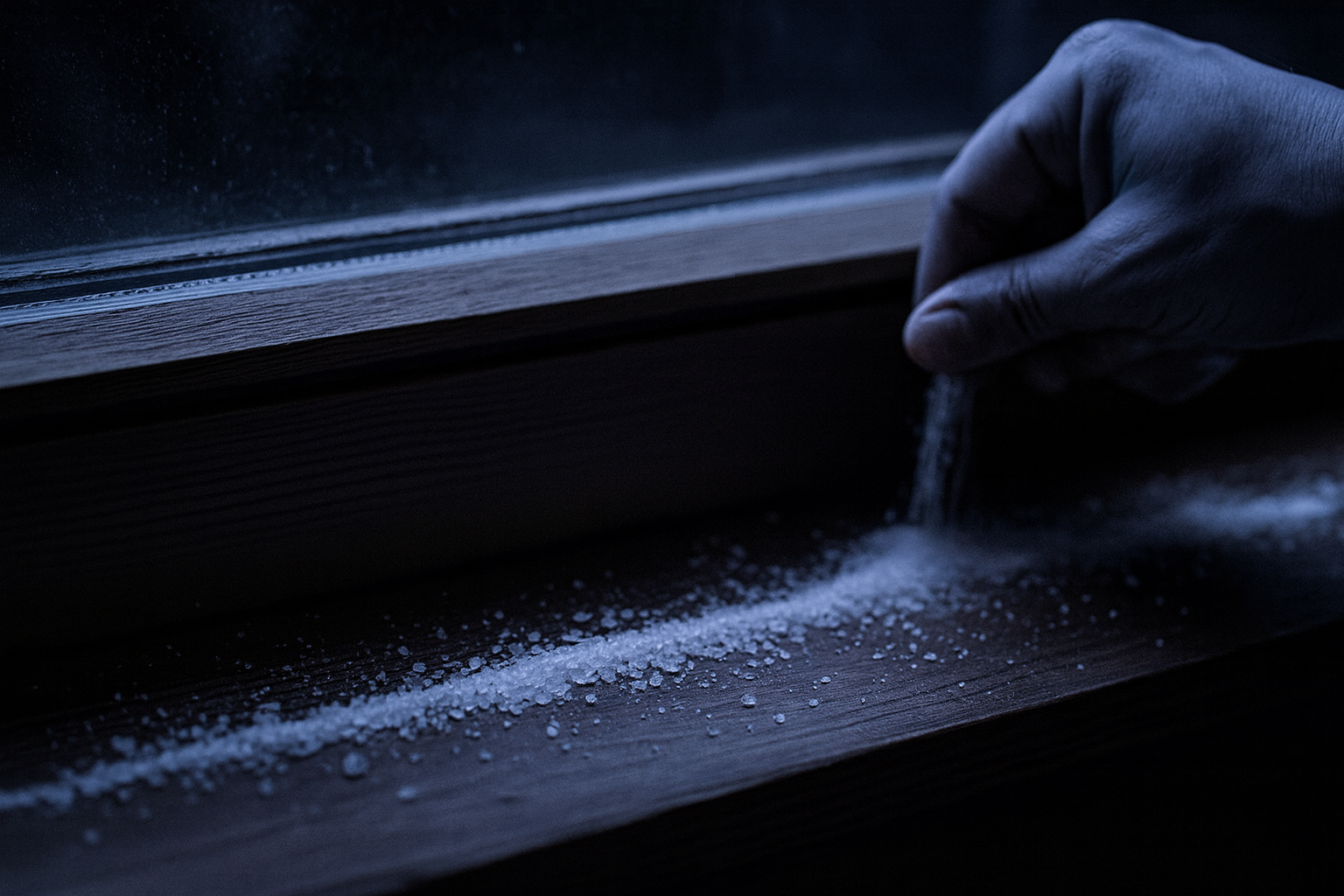
“Salt and iron confound the fae.”
Salt
Salt has been a potent symbol of purity, preservation, and life across human cultures through history. It is attributed with the power to repel, dispel, or harm supernatural entities. Across the world, from every continent; cultures and religions incorporate salt in protective rituals.
For these reasons, and our own experience, we take the protective abilities of salt seriously. In our work, we use salt as barriers against spiritual entities, and to disperse troublesome entities.

“Gold is for the mistress, silver for the maid. Copper for the craftsman cunning at his trade."
"Good!" said the Baron, sitting in his hall, "But Iron—Cold Iron—is master of them all.”
Iron
Iron has a long history of being used as a weapon or deterrent against supernatural entities. Often referred to as "cold iron" in Celtic or European folklore, it is believed to repel or harm several different types of entities. This motif appears in ancient rituals, blacksmith lore, and spiritual practices, where iron drains power from spirits or creates uncrossable barriers.
Our team uses iron items to banish or dispel supernatural beings, most specifically malevolent Fae creatures.
Brass
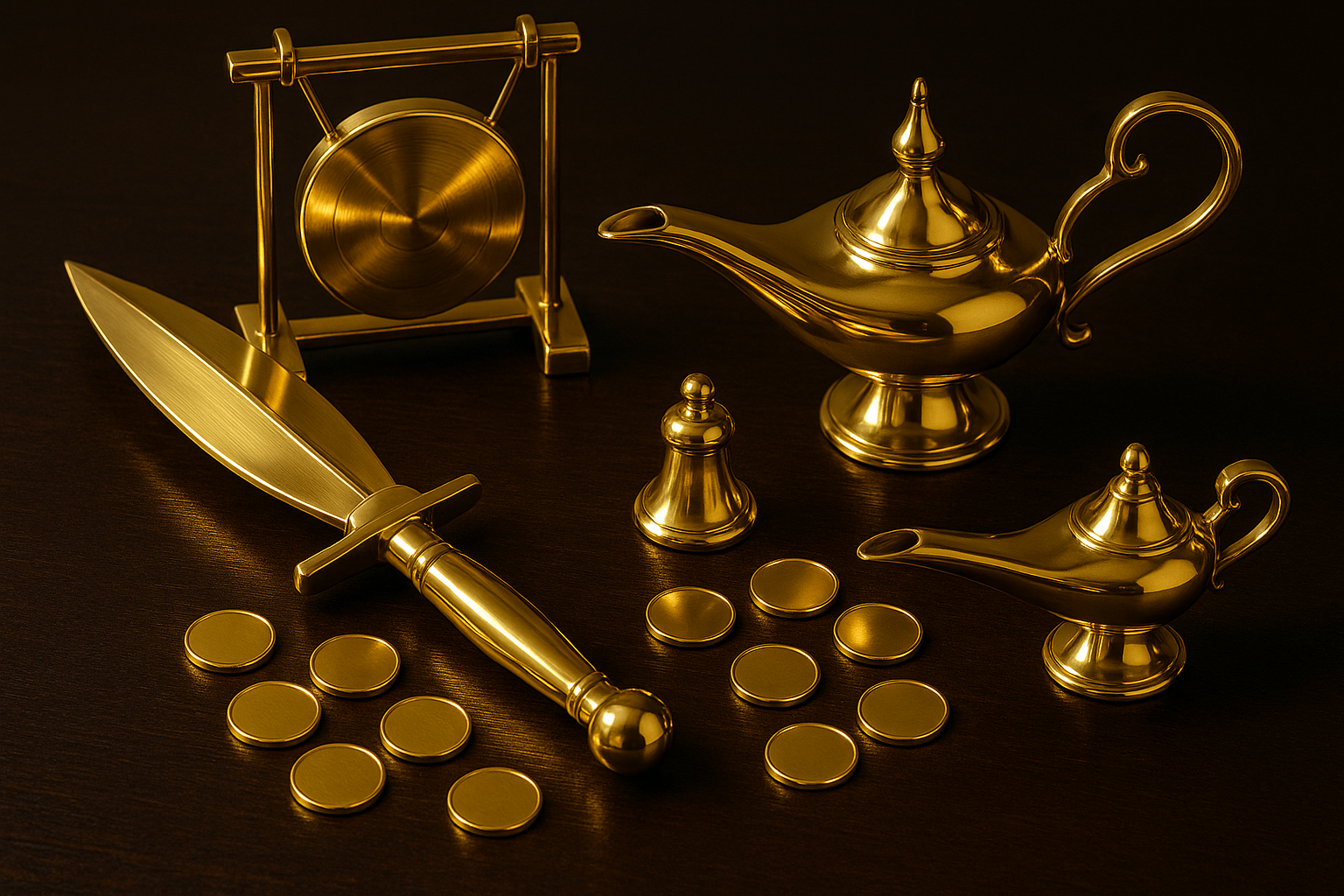
There are many legends and folklore traditions where brass weapons and items are specifically required to harm, kill, or banish supernatural beings. Brass was seen as a "pure" or “resonant” metal in some ancient cultures, capable of warding off evil spirits, fairies, or demons. Iron is more commonly cited in European folklore for repelling the fae, but brass appears in specific contexts, especially in Asian and Middle Eastern tales.
We use brass both as protection measure and a dispelling tool. The extensive lore around brass is enough of a reason to keep brass items available during an investigation.
“Brass binds the unseen, for in its gleem the spirits flee.”
“Blessed Silver Burns the demon like holy fire.”
Silver
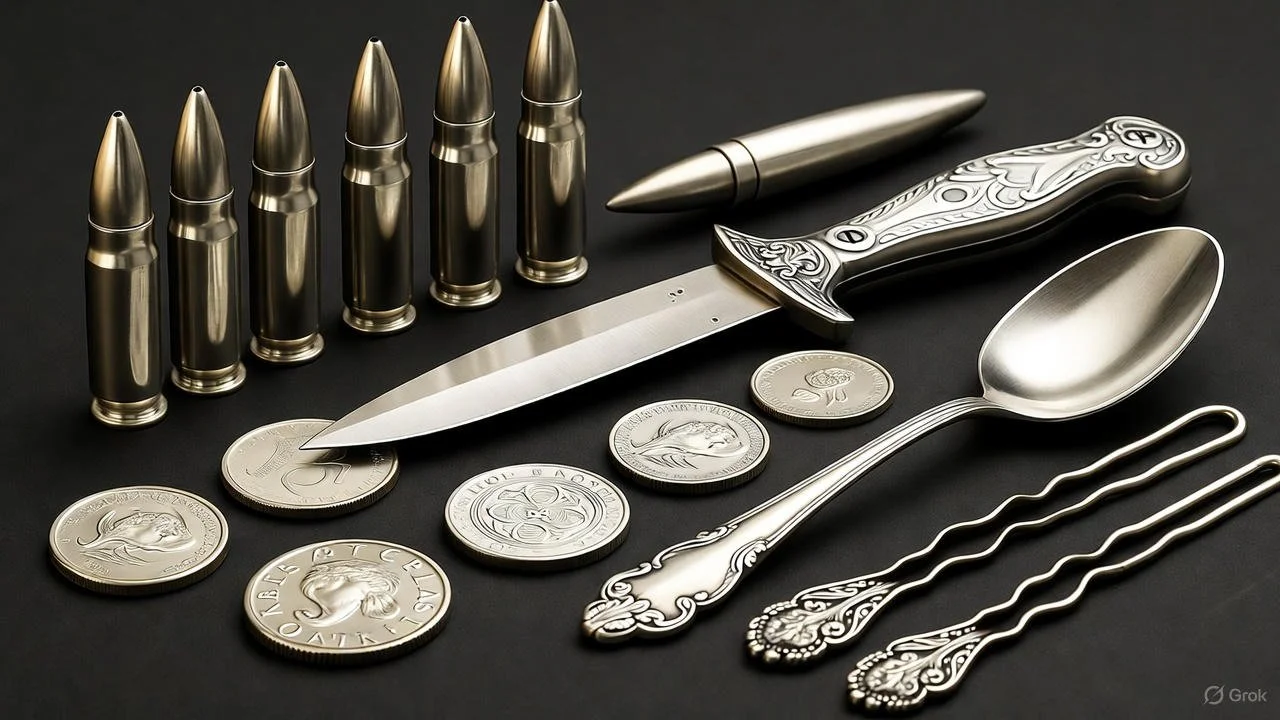
Silver has been employed across the ages and throughout the world as a potent ward and weapon against infernal creatures. Religious texts, ecclesiastical records, tribal oral traditions, and eyewitness accounts preserved in folklore and religious practice attest to its potency.
Our team keeps silver on hand for every encounter, because it has been proven to be the most potent physical material to react to the broadest range of paranormal entities. Due to its cost, and that purity of the silver is a requirement for its effectiveness, the amount of silver equipment we carry in the field is limited. Just for an example, the silver knife Turtle carries in the field, used 10 troy ounces of silver to cast, amounting to almost $500 US dollars in just silver bullion. So simply for its cost and difficulty in crafting, we always keep silver, but its use…like silver bullets…is done sparingly.